Sir Clive Sinclair’s passing marked the end of an era, but his influence continues to pulse through every corner of the retro‑computing world. For many of us, Sinclair wasn’t just an inventor — he was the person who handed us our first glimpse of what technology could feel like. His machines didn’t sit behind glass in laboratories or corporate offices. They sat on kitchen tables, bedroom desks, and school benches, humming with possibility.
A Pioneer Who Made the Future Accessible
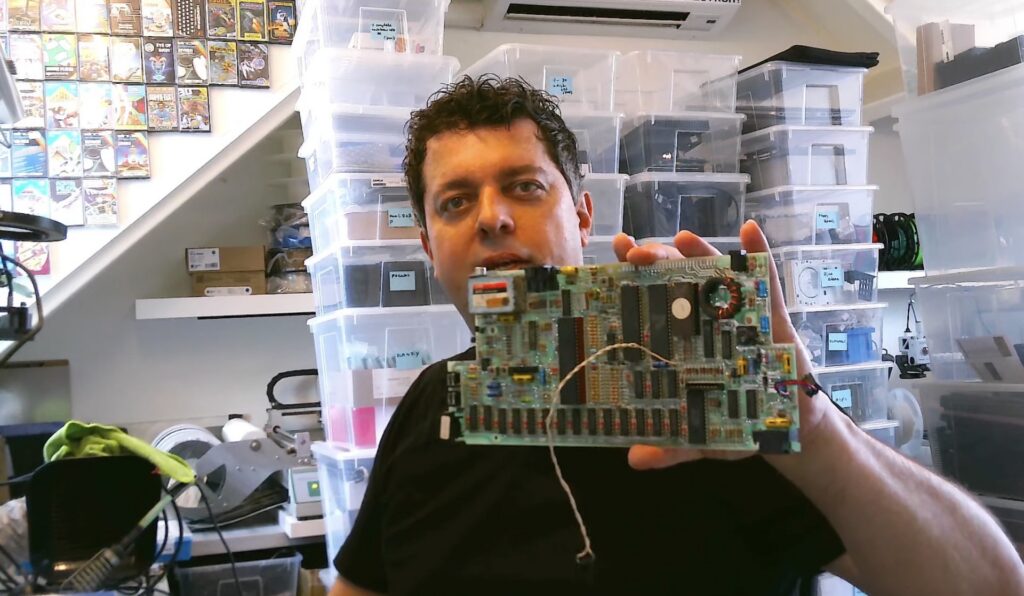
In the late 1970s and early 1980s, computing was still a distant, expensive concept. Sir Clive saw something different. He believed that computers should be small, affordable, and available to everyone — not just businesses or universities. That belief gave us the ZX80, the ZX81, and the iconic ZX Spectrum, machines that didn’t just change the market; they changed lives.
The Spectrum in particular became a cultural phenomenon. Its rubber keys, bright colour graphics, and instantly recognisable startup screen became the gateway to programming for millions. Kids who had never touched a computer before were suddenly writing games, experimenting with BASIC, and discovering that technology wasn’t something to consume — it was something to create. Many of today’s engineers, developers, and digital artists trace their careers back to those early Sinclair machines.
Fearless, Unconventional, and Endlessly Curious
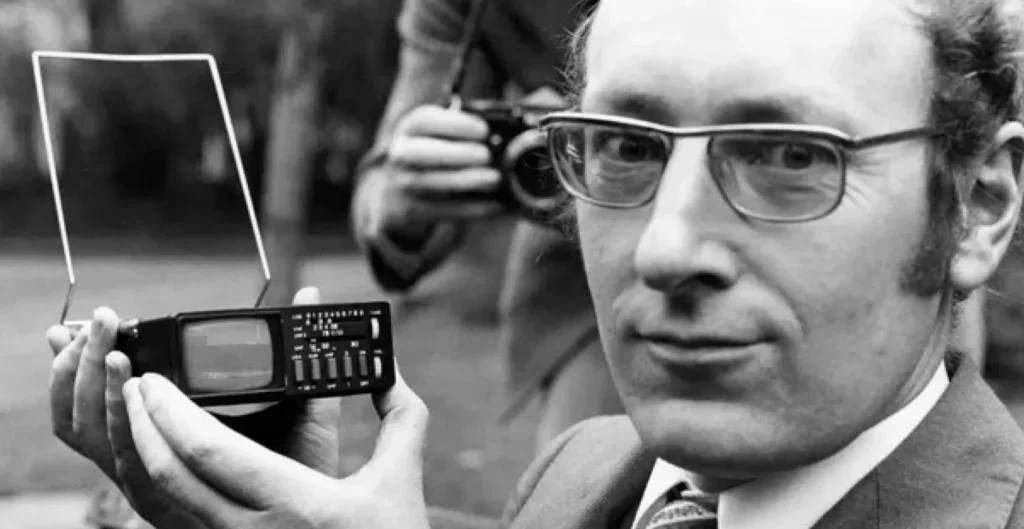
Sir Clive’s imagination didn’t stop at home computers. He pursued ideas with a kind of fearless eccentricity that made him both admired and affectionately teased. Pocket televisions, digital watches, folding bikes, and electric vehicles decades ahead of their time — Sinclair was always reaching for the next boundary, even when others couldn’t see the point yet.
Some of his inventions soared. Some stumbled. But all of them carried his unmistakable spirit: bold, inventive, and defiantly original. He wasn’t afraid to fail, because failure meant he was trying something new.
A Legacy Preserved Through Passion
Today, the retro‑computing community keeps his legacy alive in a way that feels deeply personal. Every restored ZX Spectrum, every repaired QL, every revived Microdrive is a small act of remembrance. These machines aren’t just nostalgic artefacts; they’re living reminders of a man who believed technology should be playful, accessible, and empowering.
When enthusiasts clean a corroded edge connector, replace a keyboard membrane, or coax life back into a 40‑year‑old power supply, they’re not just repairing hardware. They’re honouring the spirit of curiosity Sinclair inspired. They’re keeping alive the joy of discovery that his machines made possible.
The Mind He Opened Matters More Than the Machines He Built
Sir Clive Sinclair didn’t just give us computers. He gave us confidence. He gave us permission to explore. He made the future feel exciting — and achievable — at a time when it was still taking shape.
His legacy lives on in every coder who started with a Spectrum, every engineer who learned by tinkering with a QL, and every hobbyist who still feels that spark of possibility when a vintage machine flickers to life.
We remember Sir Clive Sinclair not only for the inventions he created, but for the imaginations he unlocked — and the worlds he helped us build.